
Software Dysfunction
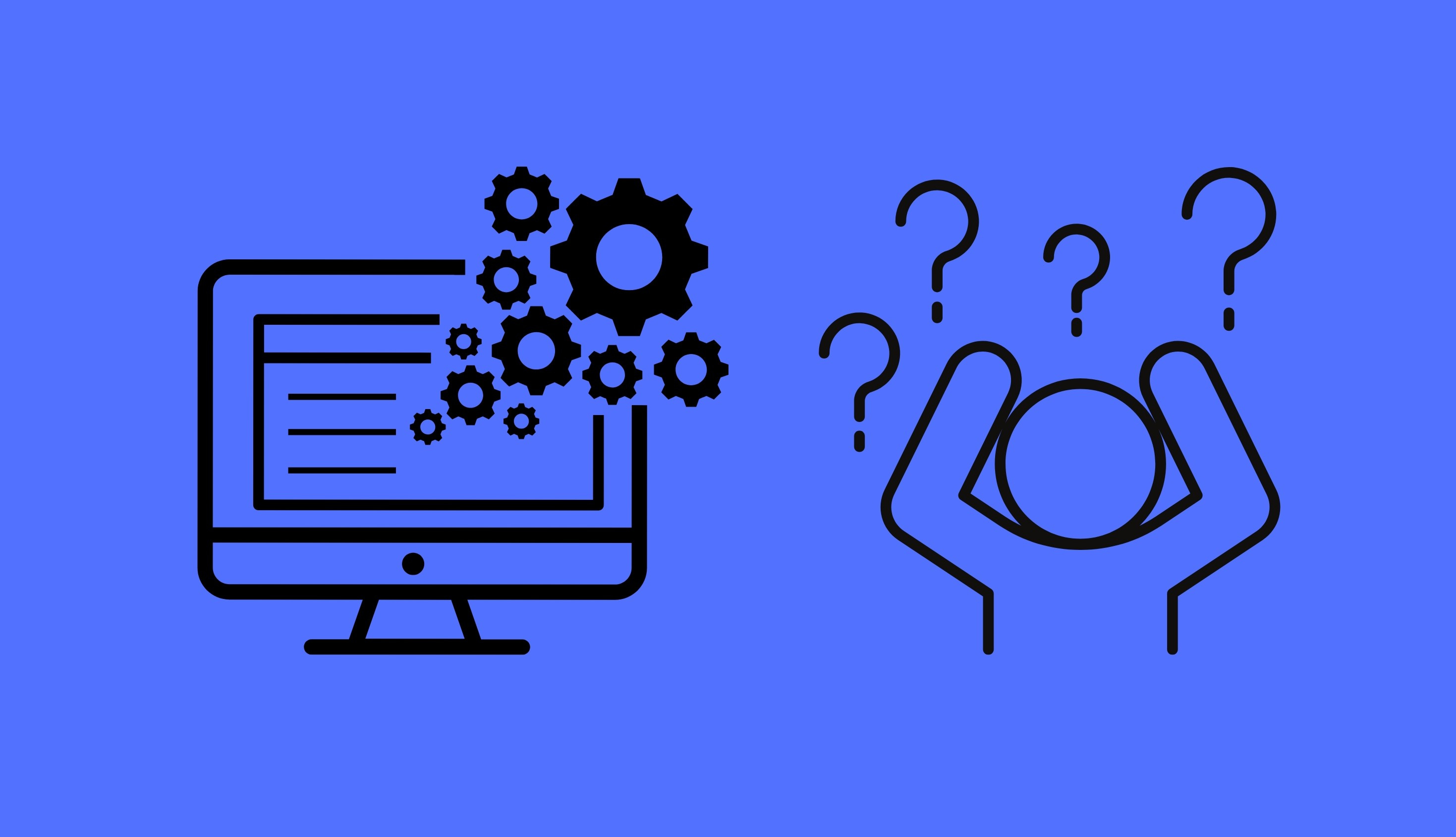
Much of modern software violates its original intent of helping users and is now instead driven entirely by unbridled, constant profit growth.

What I read: “What We’re Fighting For” by Edward Zitron. Posted February 11, 2025.
For many years, I made my living through some version of the software business.
I was among the first wave of word processing service providers, consultants, and trainers in the early 1980s. Periodically I would be hired to plan, implement, customize, and train users on corporate-wide word processing systems as well as database and spreadsheet applications. I wrote complex related macro programs to support a variety of businesses. This was when word processing was an actual profession and not simply something everyone can now access on their laptop or smartphone. Simple database and spreadsheet applications were seen as nearly magical in their abilities.
Years after that I ended up as the main software specialist for a large company with 800+ users. At one point I managed more than 40 separate software applications on the network. I managed networks, coded database application customizations, created and delivered internal training programs for word processing, database, and spreadsheet applications as well as industry-specific applications we used company-wide.
Many years after that I ended up at a large enterprise software company on the information side of software development and deployment, but during more than two decades doing that I had a deep involvement with software development teams and witnessed the entire customer needs assessment to eventual on-site deployment process. To that company’s credit, they did seem to consciously care that they were delivering software functionality that customers actually wanted. They were decent people, and I believe they honestly cared about delivering good and useful software to customers.
Amid all of that, I’ve used countless software applications as an end user. From the early 1980s using a word processor called WordStar on a CPM operating system running on a “portable” computer the size of a heavy sewing machine to running numerous onsite enterprise or cloud-based applications to using various iterations over time of word processing, email, database, spreadsheet, graphics creation, photo manipulation, and video editing software, I’ve witnessed the overall maturation process of software.
So, I know a thing or two about software. I’ve witnessed its earlier days and was still deep in the software industry as recently as mid-2022 before I left that job for what I begrudgingly sometimes refer to as retirement (I don’t like using the word retirement), but it was really just me finally leaving an industry that had run its course for me. I worked with amazing people at my last job and it’s probably what kept me there a bit beyond what should have been that career’s shelf life.
All that serves as background to me pointing out a long slog of a read but one that’s well worth your time, Edward Zitron’s excellent condemnation of the current state of software that’s developed amid a growth-at-all-cost capitalist system. It’s an important call-out of how rabid runaway and relatively unbridled capitalism has affected the usability and core mission of software.
When Zitron refers to software he’s referencing everything from websites to smartphone apps to productivity applications to enterprise-level products.
Some of what Zitron is referencing is what we often described in the software development world as software bloat. But most of what he talks about is the deliberate obfuscation of delivering intended end user functionality while sneakily nudging the user toward an action that robs them of their time, data, or money.
The business of making our shit worse to increase revenue growth year-over-year is booming. The products you use every day are more confusing and frustrating to use because everything must grow, which means that product decisions are now driven, in many cases, by companies trying to make you do something rather than do something for you, which in turn means that basic product quality — things like "usability" or "functionality" — are secondary considerations.
Honestly, that paragraph nicely sums up Zitron’s lengthy piece, but I do strongly suggest you read it all. The header indicates it’s a 34-minute read and that’s probably how long it took me to read it, but I’m so glad I took the time. This is a really important topic. More important than many people realize.
It’s important not just because growth-at-all-cost is messing up software usability, but because the tech industry has often shifted from a primary focus on customers’ needs to solely focused on their bottom line, customer experience be damned.
I realize this sounds like semantics, but let me put it another way: software has, for the tech industry, become far more about extracting economic value than it has in providing it. When the tech industry becomes focused on penetrating markets (to quote Andreessen, "software companies...[taking] over large swathes of the economy") there's little consideration of whether said software is prioritizing the solution to a problem.
Zitron takes on the entire swath of the software tech industry. The issues he discusses are pervasive and not simply occasional one-off blips in the system. From the way we search online, experience our social media, or play a mobile game on our smartphone, all of it’s become optimized for profit over usability or the improvement of the customer’s experience.
Why is this so important? Because our entire life is now surrounded by software. Nearly everything we do in life contains an element of software functionality within it. There’s the now commonly referenced adage that “software is eating the world” and it’s true. I don’t see that stopping anytime soon. But as Zitron contends, it’s only by discussing the shortcomings of software that we’ll be able to improve the situation.
It feels silly to hold up "better software and technology" as such a serious concept, but I think the world as it stands is suffering due to the tolerance we've had for the horrifying condition of modern software, which has now deeply penetrated every part of our lives, in some cases leaving trash lying around that we find ourselves tripping over all the time. Software has, to some extent, truly improved humanity, allowing levels of connection that are truly special, both with those we know and those we barely know.
It has, however, grown without restraint, without true accountability for those who write it and deploy it and (barely) maintain it, or actively and consciously strive to undermine it.
I cannot promise you that I will ever have the solutions to any of these problems, but I can — as you can — say what a better world looks like, and a better world is one where software works for, not against, the people that use it.
There is no harm in liking — or even loving — technology, as liking it allows you to more articulately explain why you fucking hate what they've made of it. Expressing what good looks like — what you love — allows you to cut deeper with your hatred for those who have caused so much harm.
If you’re a software user (almost all of us are), provide feedback to companies when something doesn’t do what you want it to do, or you feel taken advantage of because of their site or application configuration. If you’re in the software tech field, try to advocate for delivering ethical and truly user centric functionality to customers. Maybe over time the situation can be improved. We can hope.
You can use this link to access all my writings and social media. My content is usually open and free to view, but for those who are able your paid subscription (click the Subscribe button) or patron support are always appreciated.