
Wandering
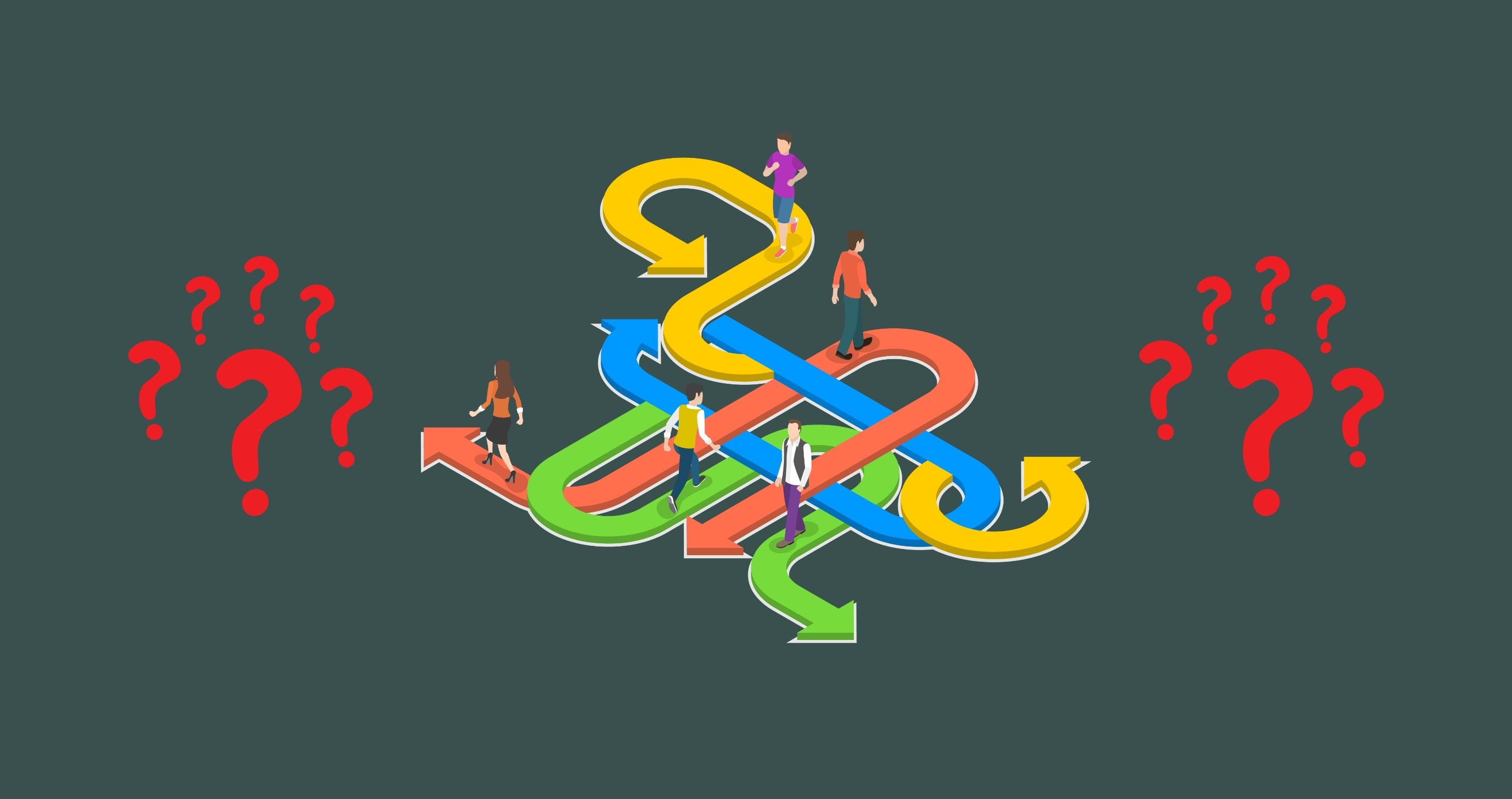
To wander without any specific path or destination offers many benefits.

What I read: “How to wander” by Jordan Fisher Smith. Published April 19, 2025.
Do you ever allow yourself to roam and wander without any specific destination in mind? Perhaps you should. One of my favorite things to do is to embark on a walk using a new route or without any specific planned destination.
I live in San Francisco. We’re one of America’s most walkable cities. San Francisco also has a relatively small footprint of about 47 square miles. This makes it an ideal city in which to walk. Admittedly, the hills can be steep at times, but I justify trudging up them as a price I pay to keep my legs and butt in decent shape.
When I travel, I do lots of walking in whatever city I end up visiting. I recall one day last year when my travel partner and I walked more than nine miles in Edinburgh, Scotland. If someone travels with me, it’s best if they’re a walker like me.
In Jordan Fisher Smith’s article, he encourages wandering as an antidote to the regimentation and compliance that plagues so much or our lives.
In most of us there survives an opposing curiosity, a desire to see what’s around the corner. It doesn’t require an epic, round-the-world journey. We merely need go where nobody says we have to go, for no particular reason, where the smells and tastes and the breeze on our faces awaken us from the soporific haze of habit. To practise an enlivening sort of indolence. To drift, to roam, to colour outside the lines a bit. To wander.
Smith spent 21 years as a park ranger. Prior to reading the article, I didn’t know the word ranger has etymological origins meaning, among other things, a rover or wanderer. So, Smith’s ranger experience makes him a bit of an expert on wandering. Smith encourages us to be like rangers and wander.
When we say we’re wandering, many people will interpret that as a negative. In our rigid and always-on purpose-focused world, wandering can be seen as unfocused at best and dangerous at worst.
However, in a study Smith cites, researchers discovered that people who wandered widely from their usual paths were happier. Plus, walking itself is a valuable activity I’ve written about before and no agenda waking can elicit benefits beyond simply being an activity – something we can enjoy simply because it brings us joy to do it.
Smith references the works of two of my favorite writers, the contemporary Rebecca Solnit and author of Wanderlust: A History of Walking, and the author of my favorite book of all time, Walden, Henry David Thoreau. In those works and so many others, much has been written about walking and Smith’s focus on the more random forms of it points out one of its greatest benefits.
Smith offers some great advice on how to wander well. Slowing down, exploring close to home, and engaging our senses fully as we wander are among the excellent bits of wisdom Smith articulates.
Just today I utilized one of the many other suggestions by wandering with a visiting friend around my neighborhood with no specific destination in mind. Walking conversations always stand out for me. In “Going for a Walk Stimulates Ideas,” I explain how walking and wandering can both refresh and lead to new and better ideas. I do much of my best thinking while walking and I’ve become adept at pulling out my phone and tapping a quick note to myself for future reference when a particularly good idea emerges mid-walk.
For many years I’ve championed the idea of going for a walk. Short walks. Long walks. Challenging hikes. Any kind of outdoor ambulatory activity, especially when done alone. Countless articles have been written about the benefits of walking. The physical benefits are obvious, but the mental benefits are considerable.
I’m going to let you read Smith’s article in its entirety to learn about some of his other suggestions. It’s well worth your time. Walking and wandering cost nothing, have multiple benefits, and can be done anywhere. For me, it’s no-cost therapy and a freeform brainstorming session.
You can use this link to access all my writings and social media. My content is usually open and free to view, but for those who are able your paid subscription (click the Subscribe button) or patron support are always appreciated.